


4 Unexpected Health Benefits of Living at High Altitude
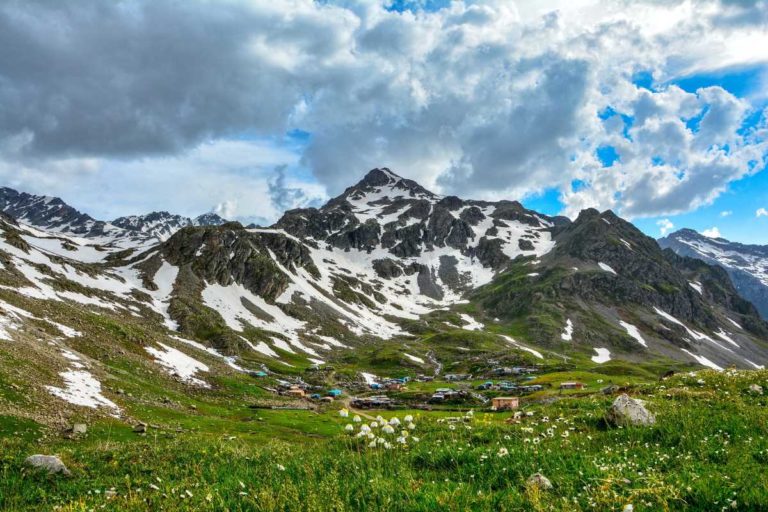
We know that high altitude can be challenging for humans. Mountain climbers must often carry oxygen to support their breathing toward the summit. And visitors to cities that are far above sea level – Denver, for example, at 5,280 feet high – can present serious challenges for visitors in the form of labored breathing, headaches, and fatigue.
But though the human body functions most optimally near sea level, there are actually some surprising benefits of living at high altitude. Just think about the grumbling of some NFL teams when they have to play away games at Denver’s Mile High Stadium.
You don’t even have to live full time at high altitude to experience benefits. Following are four compelling reasons to visit sky high cities as often as possible.
1. Heart Disease Prevention
A recent study by researchers at the University of Colorado School of Medicine found that living at high altitude can actually lower a person’s risk of dying from ischemic heart disease. High altitude does put greater strain on the heart and circulatory system, but the body can actually react to that stress and become stronger.
We don’t know how exactly high altitude offers this protection, but scientists understand that certain genes are activated in lower oxygen conditions. They speculate that this process both changes the way the heart muscle works and triggers the growth of new blood vessels that allow for greater blood flow into the heart.
Another possible explanation for the heart protection effect is that the body’s hemoglobin undergoes changes at high altitude that allows it to hold more tightly to the oxygen it accesses. While more research is needed, it’s clear that the body is able to put significant effort into directing more oxygen to the heart at high elevation – and these changes persist for quite some time, even after moving to a lower elevation level.
2. Cancer Protection

Interestingly, people who live at high altitude have a lower incidence of many types of cancer, and a lower mortality rate associated with cancers that do develop. Again, science is not entirely clear on why this happens, but many researchers believe that the adaptive processes triggered by high altitude are at the root.
This is an exciting area for further study as the information can help to develop new cancer treatments. One particular study removed a sample of T cells (white blood cells that play a huge role in the immune system) from cancer patients, exposed the cells to low-oxygen conditions, and then reintroduced them to the body. Upon reintegration, these cells were better able to attack cancerous tumors than before.
3. Better Vitamin D Synthesis

Another benefit of life at high altitude is not related to the oxygen level, but instead to the sun’s rays. Solar radiation increases the higher you go, which can, of course, become dangerous at some point. But in the high elevation range of cities like Santa Fe and Flagstaff, human bodies are actually better able to synthesize vitamin D from sunlight.
Vitamin D is a fat-soluble vitamin produced by our skin when exposed to sunlight. This critical nutrient plays a role in disease prevention, mood regulation, heart health, and the strength of our bones and teeth.
A deficiency in vitamin D, on the other hand, is likely to cause fatigue, stress fractures, and generalized body pain. Supplements are available for people who don’t get enough sun in their daily lives, but folks who live at high altitude are less likely to need them.
4. Longer Life
And finally, the changes caused by living at high altitude may just help you live longer. A study that examined the death certificates of people living in every county of the United States discovered that the longest life spans tended to be in counties with an elevation in the range of 5,000 feet or more above sea level.
On average, men in high elevations lived between 75.8 and 78.2 years. For women, the range was 80.5 to 82.5 years. In real numbers, when we compare these average high altitude life expectancies to people who live closer to sea level, men gain 1.2 to 3.6 more years of life, while women gain between 0.5 and 2.5 additional years.
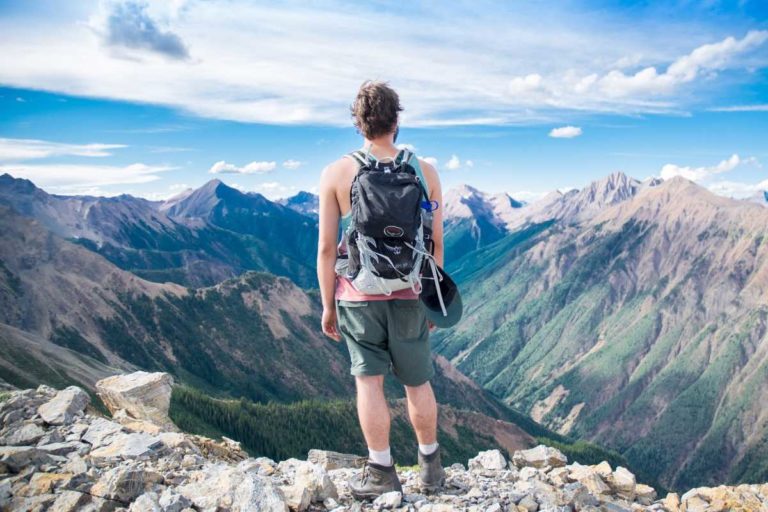
It can take a few weeks to fully acclimate to a high altitude environment, but you’ll start to notice improvement in just one day. And, once your body has become comfortable with functioning at high altitude, the cardiovascular benefits of that change can last for some time after returning to a lower elevation.
Generally speaking, as long as you still have red blood cells that have adapted to high altitude, you’ll find your cardiovascular health elevated. The average life span for red blood cells is 120 days, so that’s a reasonable length of time to assume that you’ll retain the benefits.
