


4 Small Pets that are Big on Love
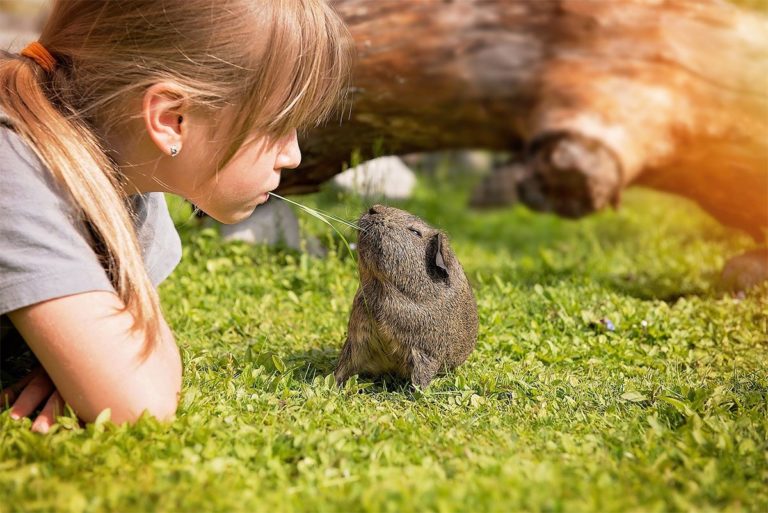
You can still share your life with a pet even if you don’t have the space or the lifestyle for something large enough to need free reign of your home. Lots of small animals, i.e., pocket pets, are actually very social and interactive. Others are less able to be handled but super interesting to observe.
From every kid’s first pet – the hamster – to more exotic creatures like hedgehogs, there are several great choices in small pets that can bring enjoyment to your life in a big way.
1. Hamsters
Hamsters make great starter pets for several reasons. They are cute and easily handled, don’t need a ton of space, and eat mostly pellets. You will love watching your hamster stuff his cheeks with bedding to build a nest, run on his wheel, and wash his little whiskers with his paws.
It can be endlessly entertaining to let your hammy run about the place in a hamster ball, and they also love to explore cereal boxes, paper towel tubes, and shoes that you leave out for them.
But because they are so small, hamsters are easily injured and will nip at young fingers that are too rough. Hamsters are also subject to several common illnesses with a small window for successful treatment, and live only 2-3 years in the best of circumstances.
Hamsters are solitary as adults and should be kept alone.
2. Rats
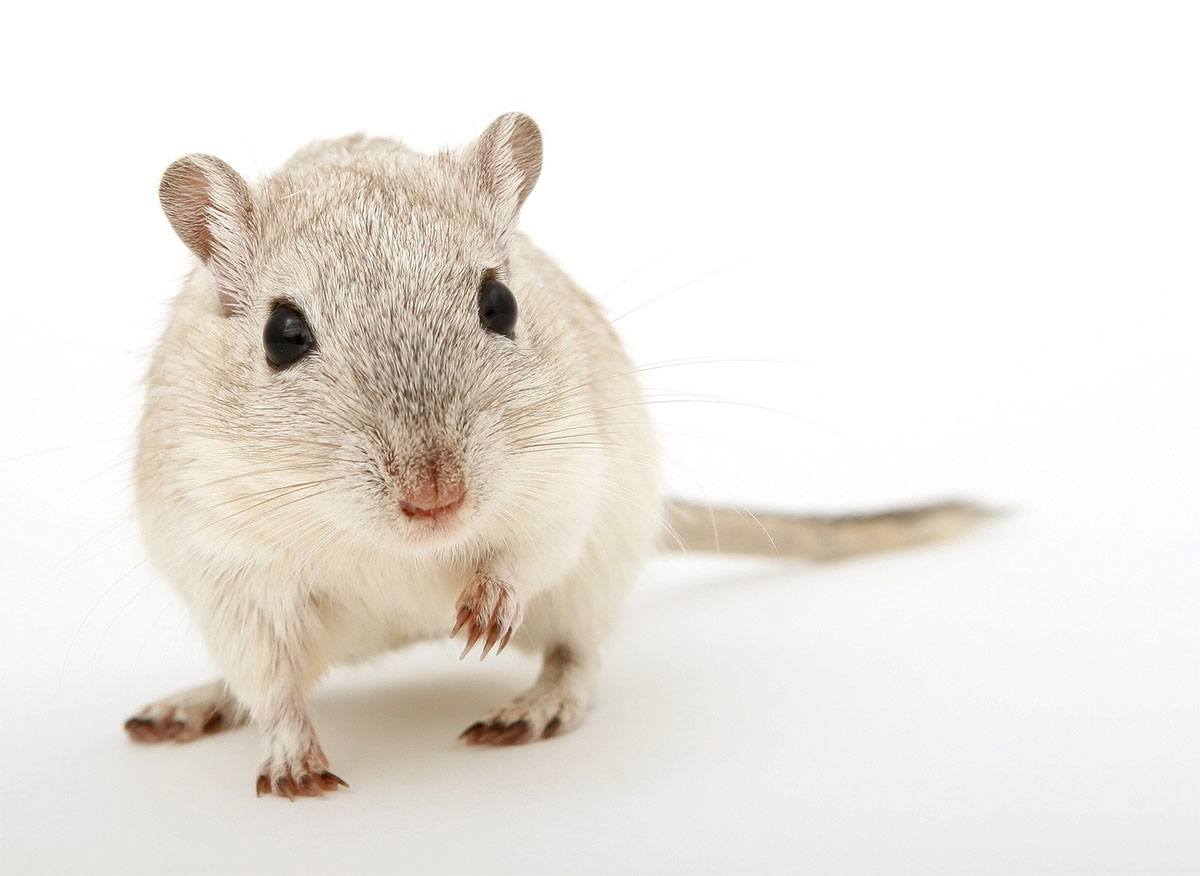
Rats get a bad rap, but are actually some of the smartest and friendliest pets you can have outside of dogs. Rat owners love that each one has a distinct personality, with most clamoring for attention from their owners. Of course, some rats, like some people, are a bit crusty and standoffish.
Rats are interactive and can learn tricks. They are generally laid back, too, and can be safely handled. Larger than hamsters, they move a bit slower and are less likely to skitter away under the refrigerator. Still, juvenile rats can squeeze between cage bars and should be in an enclosure with ½ in spacing until fully grown.
Keep your rats entertained with a variety of things to climb and explore. Because they are social creatures, it is best to keep them in same sex pairs (unless you are very prepared for them to breed). Rats can eat anything that humans can, but keep the table scraps to a minimum and feed mostly commercial rat food.
You also need to be prepared for your rat to break your heart. They are prone to tumors and respiratory illnesses that can shorten their already meager lifespan of 2-3 years.
3. Guinea pigs
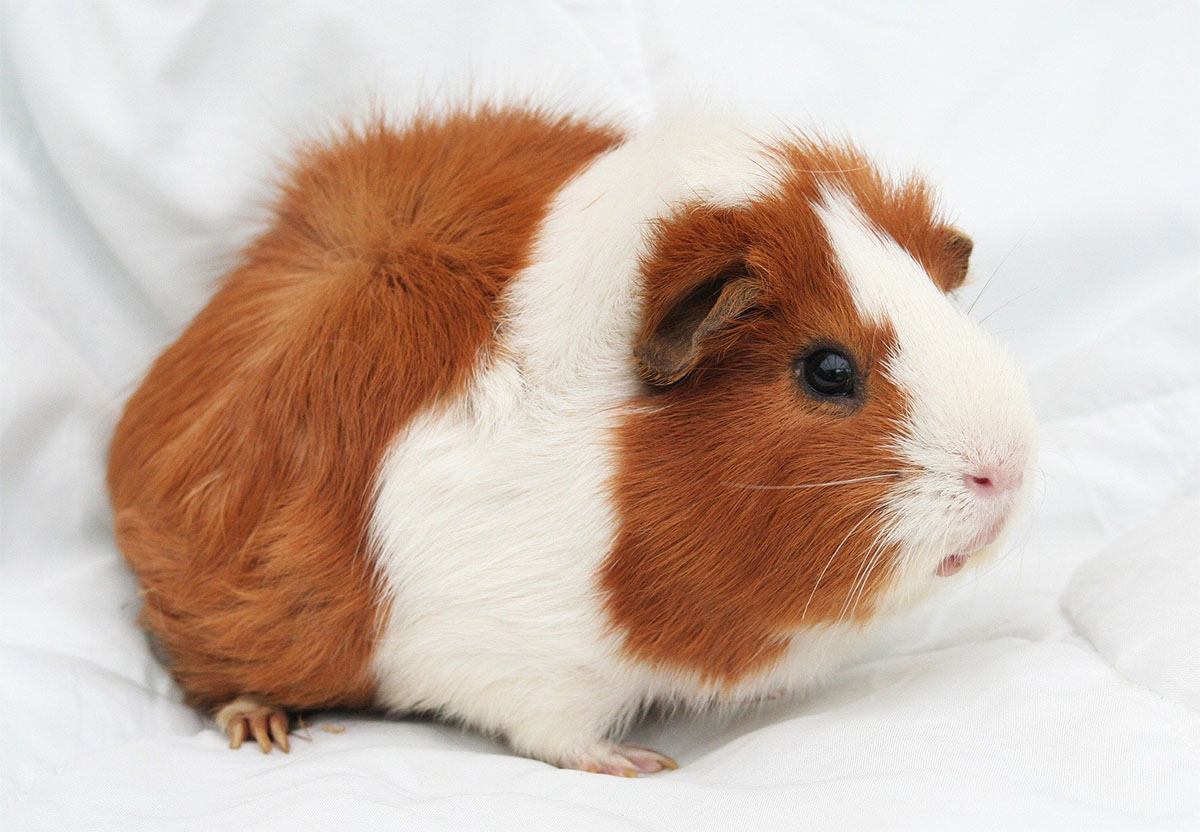
Slightly more substantial than rats are guinea pigs, probably the most tolerant animal on our list. Guinea pigs are prey animals at heart, so they spook easily and will probably never crave physical attention from you. However, they are remarkably docile and will chill in your lap for long periods of time once you snag them.
But even if they aren’t dying for your touch, guinea pigs will hilariously vamp for their food. These rodents love to eat and recognize the signs that food is coming. They gambol about their enclosure and do little bounces into the air called popcorning. They also vocalize with a series of squeaks and trills – called wheeking – to greet you.
Guineas are social animals and do best in pairs. It is also important to note that guinea pigs eat a ton. They will need constant access to hay, plus daily leafy greens, a variety of fresh vegetables, and commercial pellets. Not surprisingly, all that eating also leads to a lot of pooping.
Guinea pigs live for approximately 5-7 years. But because they are very good at hiding signs of illness, it is not unusual for them to die unexpectedly.
4. Hedgehogs
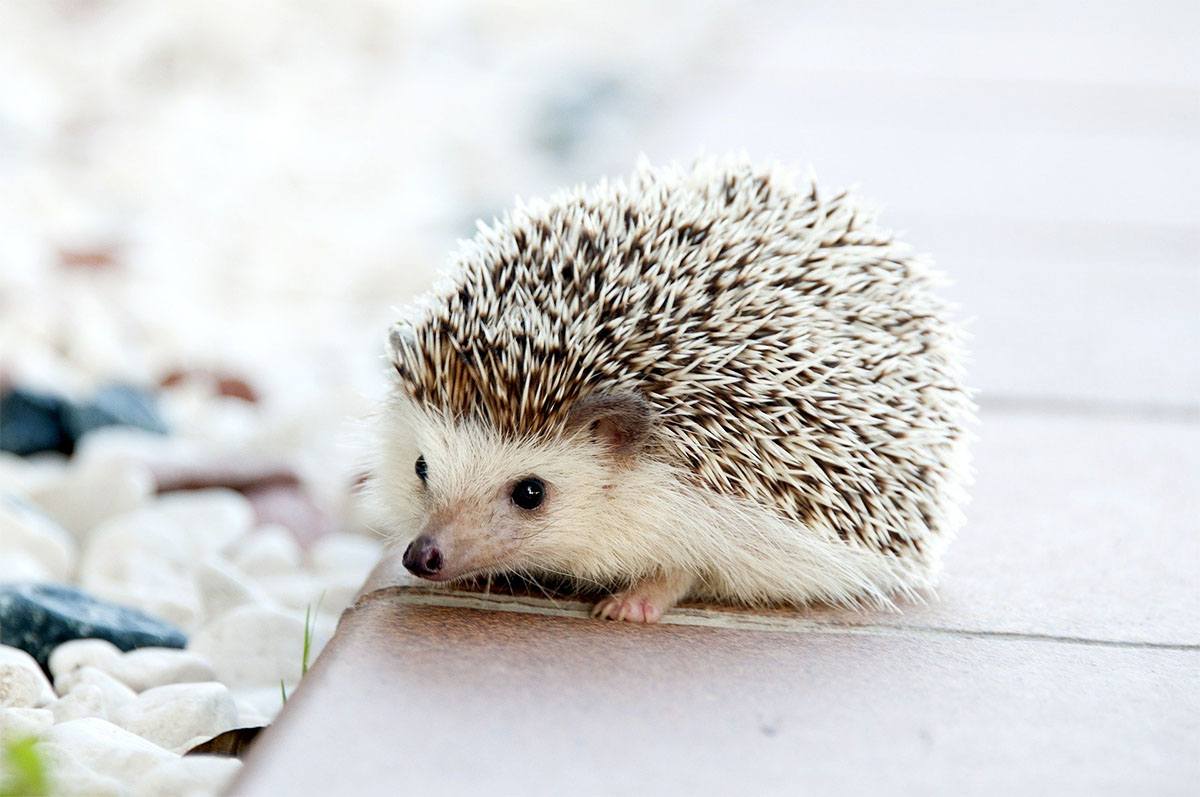
For the more adventurous owner, how about a pet with quills? Hedgehogs may look dangerous, but they are surprisingly easy to handle when you’re gentle. The hedgehogs most commonly kept as pets are African pygmy hedgehogs that grow to about 5-8 inches long and weigh about 14 ounces.
Hedgehogs are easily tamed as long as you start young, and they don’t mind being handled (but prefer not to have their heads pet). However, they are largely solitary in the wild and can fight with cagemates if you keep more than one.
Because they are nocturnal, you may not want to keep your hedgehog in a bedroom. They spend a lot of time running on a wheel and rummaging around overnight. Feeding involves insects like mealworms and crickets, which can be given live or freeze-dried, plus special hedgehog kibble or cat food.
Hedgehogs live approximately five years. Note that you may need a permit to keep one in some states.
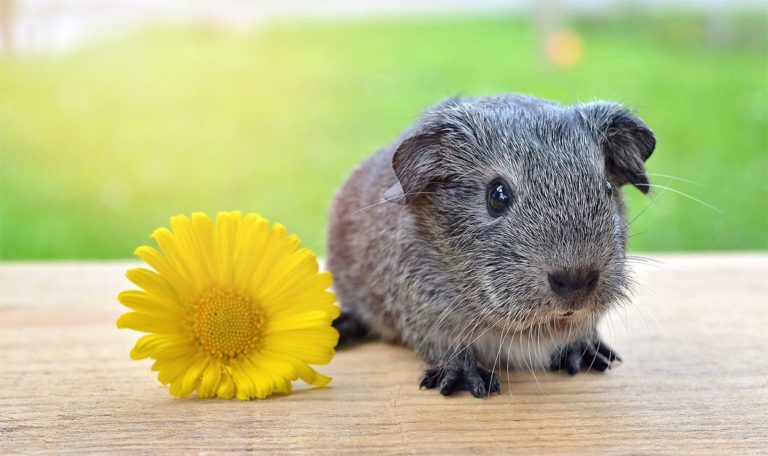
Keeping small pets can be just as special and meaningful as owning larger ones. Their ability to bond with an owner is undeniable, and watching them go about their daily business is both entertaining and informative.
The downside is a shorter lifespan than dogs or cats, but that can work well for folks who are just starting out with pets. In any case, don’t hesitate to add a furry friend to your life. It’s worth it!
