


11 Foods Banned Around the World
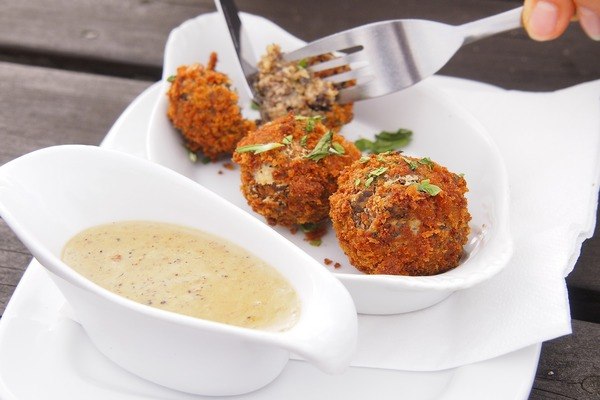
Food production is heavily regulated throughout the world, so much so that many governments have banned particular things. Sometimes that’s to keep consumers safe, but other times the reasons are kind of bizarre.
Americans still eat foods that many other countries have banned, but are mistrustful of exotic cuisines from abroad. Conversely, many other countries have banned food additives and genetically modified produce that Americans eat all the time.
We have collected 11 of the strangest and most interesting banned foods, along with the reasons why you won’t find them at the grocery store in certain locations. You’ll find #2 surprising, but just try to read #6 without getting queasy!
1. Haggis
Haggis is the national dish of Scotland, but a main ingredient of haggis – sheep lung – has been banned in the United States. Haggis includes sheep lung, liver, and heart combined with onion, oatmeal, suet, and spices. The ingredients are all cooked together in the sheep’s stomach.
Sheep’s lungs are banned in the U.S. because sometimes stomach acid or phlegm makes its way up into the lungs during slaughter. Though this problem is easily fixed by parboiling the lungs prior to use for food, the USDA has no interest in reversing the ban despite pressure from British politicians.
2. Chewing Gum
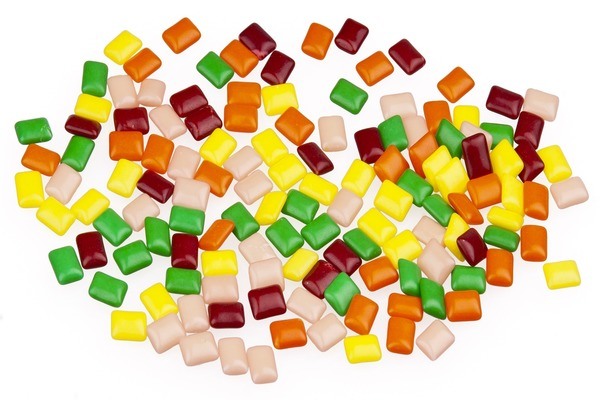
Americans chew a lot of gum, and it can be a problem when they don’t dispose of it correctly. There is probably no public table in the country that doesn’t have at least a wad or two pressed underneath it. It’s gross, but the sale of gum is too profitable to stop.
In Singapore, however, a country known for its cleanliness, they aren’t having it. Chewing gum was banned in 1992 in order to help keep the streets free of sticky detritus. The penalty for violating the ban is steep – get caught selling gum in Singapore and you could get up to 2 years in prison or a fine of $1,000.
3. Farm-raised Salmon
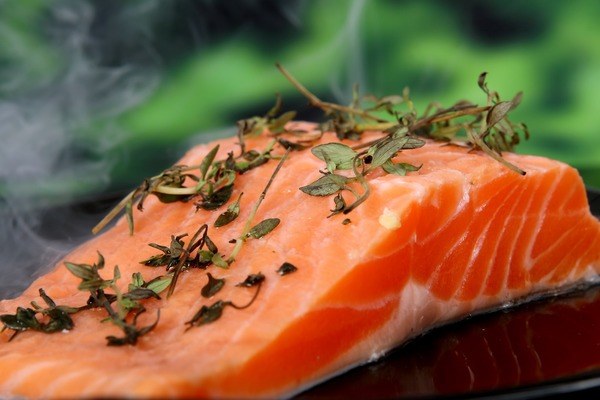
Salmon raised in overcrowded farms is unhealthy because the fish are fed unnatural diets full of antibiotics and smaller fish that are often contaminated with toxins. Eating farm-raised salmon can cause damage to human eyesight and is even a known carcinogen.
Unfortunately, the majority of salmon on the market in the U.S. is farm raised. However, one U.S. state – Washington – has banned it. Farm-raised salmon is banned entirely in Australia and New Zealand.
4. Genetically Engineered Papaya
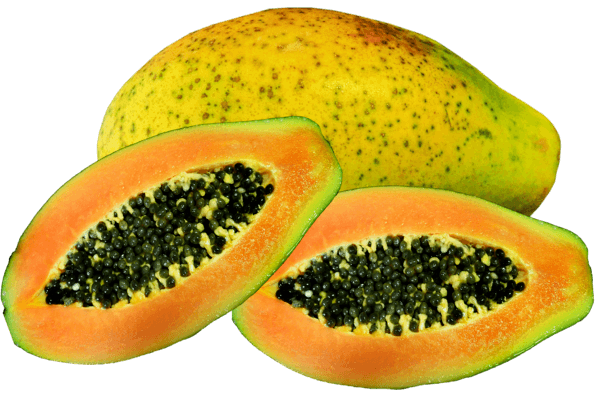
Genetically engineered food is a controversial topic in many circles. Opponents are concerned that messing with nature can have negative health effects, while proponents insist that GMO foods are better able to resist harmful diseases. Papaya grown in the U.S. is especially controversial, with upwards of 60% of it modified to resist the ringspot virus.
The European Union has banned the import of all genetically modified crops, but Japan and South Korea specifically avoid our papaya. The U.S. maintains that the modification literally saved the papaya industry.
5. Ackee
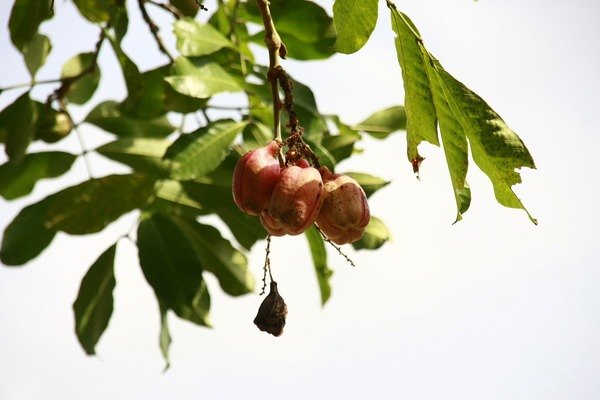
The fruit embargo goes both ways. The United States may have trouble unloading its papaya, but it refuses to import ackee, the national fruit of Jamaica. Ackee is totally safe to eat, but only if it is ripened properly. Unripe ackee contains a high level of hypoglycin A and B, which are toxins that can cause vomiting, coma, and even death.
As of the year 2000, frozen or canned ackee is okay to be imported from a select few manufacturers, but fresh ackee is still banned.
6. Casu Marzu
by Shardan under CC BY-SA 2.5
Cheese is kind of gross if you really think about the preparation process, which involves aging milk for a very long time. Some cheeses are “blue” with mold, while others are made with an ingredient found in the stomach of nursing calves that are slaughtered to collect it.
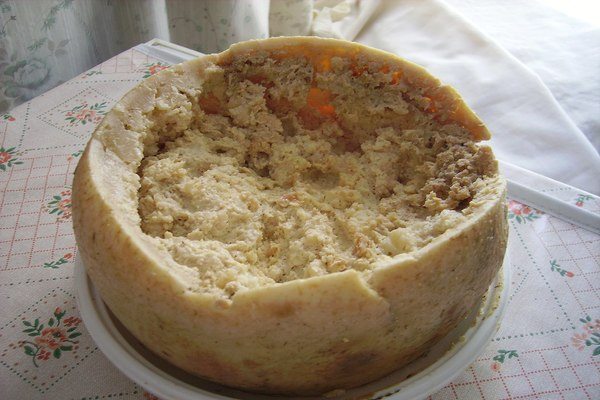
One particular variety of cheese called casu marzu is simply too yucky for Americans to sanction. Made in Sardinia, casu marzu is basically pecorino into which fly larva has been introduced. The larva promotes advanced fermentation, and when the maggots hatch, they eat through the cheese to soften it. Folks then eat the cheese before the maggots die!
7. Beluga Caviar
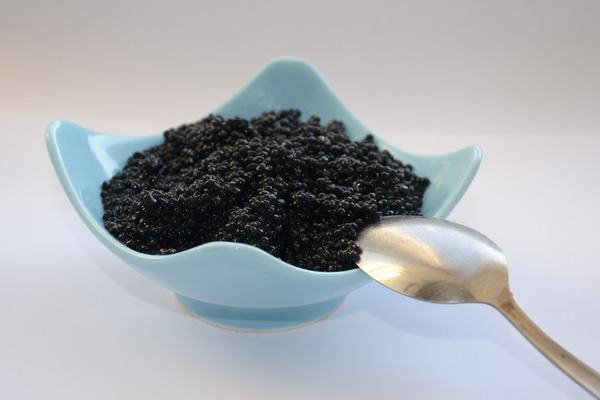
Caviar has long been a delicacy enjoyed by the richest among us. It is basically salt-cured fish eggs, and there are many varieties of caviar that come from different fish. Beluga caviar is prized above all other types for its soft texture and delicious flavor.
Beluga caviar comes from the beluga sturgeon, a huge fish that can weigh up to 2,000 pounds and reach more than 20 feet in length. These fish can live up to 100 years and take 25 years to become ready to lay eggs. That means that it can easily have its population decimated; beluga sturgeon is now listed as critically endangered under the Endangered Species Act and its roe is illegal to harvest and sell.
8. Foie Gras
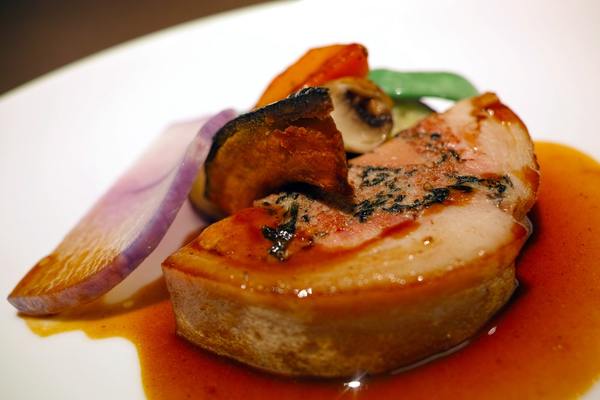
There are plenty of abuses that run rampant in the food production industry, especially when it comes to animals raised for meat. Foie gras, literally meaning “fatty liver”, is a perfect example. Ducks and geese are force fed enormous quantities of grain via feeding tube in order to make their livers swell. It’s a short and miserable life for the birds.
Even worse, only male birds are used for foie gras, so the females are inhumanely killed in order to be processed into cat food. The state of California has banned foie gras but it remains legal everywhere else in the United States.
9. Shark Fins
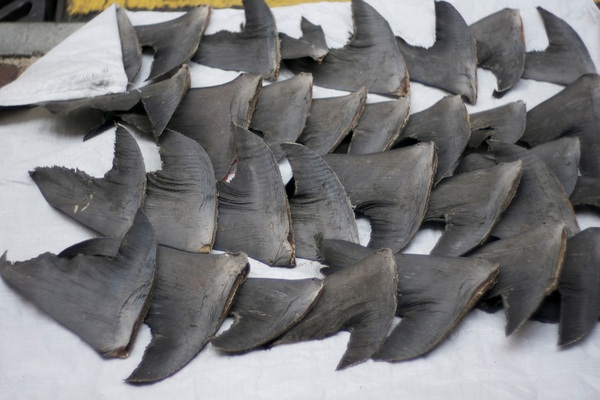
by Cloneofsnake under CC BY-SA 2.0
A lot is made of the number of shark attacks on humans each year (an average of 6), but you may be surprised to learn that humans actually kill a staggering 100 million sharks annually. Shark fins are used to make soup, but this practice has critically endangered the species.
There have been at least three acts in the U.S. that make it illegal to “possess, buy, sell, transport, or trade shark fins or any product containing shark fins.” Unfortunately, shady fishing practices, including cutting the fin off of a live shark and then dumping its body, continue to this day.
10. Artificial Food Dyes
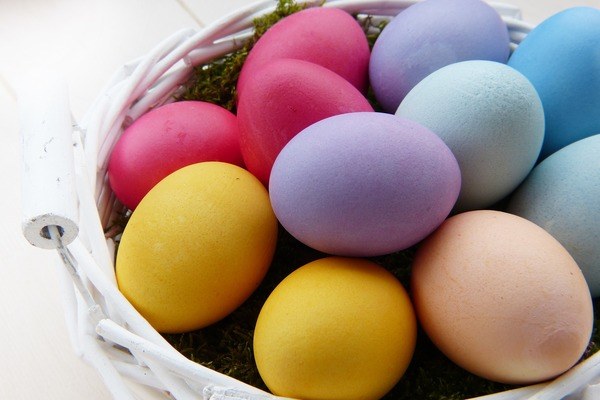
Food dyes are ubiquitous in processed foods made in America. You’ll recognize them by their numbers, such as red #40, yellow #5, and blue #1. The dyes are based on petroleum based chemicals, which researchers say can be responsible for serious health problems including allergic reactions, brain tumors, hyperactivity, and even cancer.
The governments of Austria, Finland, France, Norway, and the United Kingdom have consequently banned these dyes, but U.S. consumers are hard pressed to avoid them.
11. Meat With Ractopamine
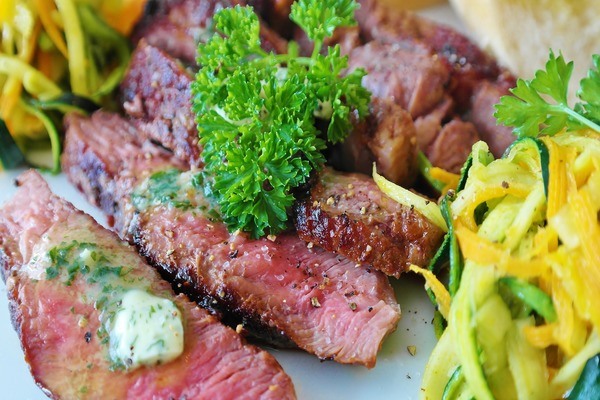
Another food additive common in the U.S. is ractopamine, which is put into livestock feed to accelerate their weight gain or promote leanness (depending on the dose). However, researchers have found that it can cause tachycardia and other problematic cardiovascular effects in humans.
Ractopamine has been banned in China, Europe, Russia, and Taiwan, but meat producers in the U.S. have no requirement to disclose whether or not they use the stuff. Therefore, it is impossible for consumers to know if they are eating ractopamine, and Americans with known heart issues might be better off to avoid meat all together.
Conclusion
Whether for health, ethics, or squeamish reasons, there are many foods banned in different countries throughout the world. While the U.S. can be moved when it comes to the ethical treatment of livestock, it remains firmly in favor of chemical additives and genetically modified foods. Just don’t ask an American to eat sheep lung.
