


7 Signs of Alzheimer’s You Shouldn’t Ignore

An Alzheimer’s diagnosis is devastating for the individual and their entire family. At the end of life we all hope to be able to hold our memories dear and communicate important messages to our loved ones. Alzheimer’s steals that potential, taking away first the recognition of all that we hold dear and eventually our very lives.
Sadly, there is no way to stop the progression or Alzheimer’s, or even to slow it very much. But early intervention can manage symptoms and improve quality of life in the short term. Many patients appreciate that opportunity, so it’s critical to be aware of the signs of Alzheimer’s and how they differ from normal aging-related cognitive decline.
To help you tell the difference, we have collected a list of symptoms that are normal compared to those that should not be ignored.
1. Relationship to time and place
What’s normal: As we age, it’s not unusual to get confused about the day of the week or to accidentally recite an old address. With normal age-related cognitive decline, the individual can usually access the correct information at a later point.
The warning sign: People with Alzheimer’s routinely lose track of time, including the passage of seasons. They struggle to understand past or future events, so may not remember the conversation you had yesterday about a doctor’s appointment today. It is not unusual for Alzheimer’s patients to forget where they are and even how they got there.
2. Memory loss
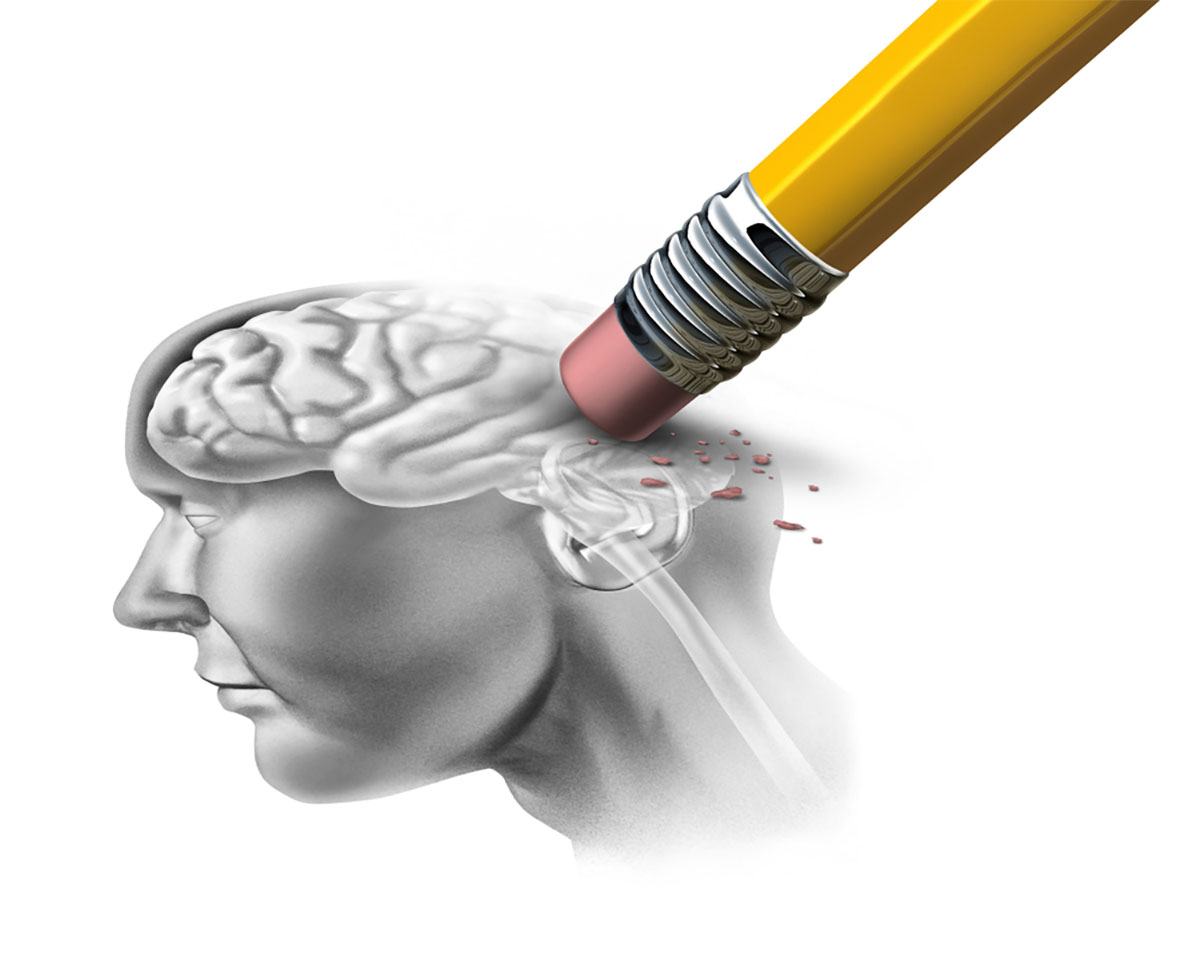
What’s normal: Everyone is prone to forgetting the occasional appointment or temporarily blanking on a person’s name. This may become more common as we age, but doesn’t necessarily mean Alzheimer’s. You needn’t worry if the information comes back at a later time or when you’re given greater context.
The warning sign: It is typical with Alzheimer’s to forget information that was recently learned. This is often noticed when a person asks the same question repeatedly, forgets important birthdays, or begins to rely more heavily on memory aids like notes or electronic reminders.
3. Problem solving and planning

What’s normal: The occasional math, language, or reasoning error when performing tasks is totally normal, even if that task is routine. This may show up in chores like managing household bills or programming the coffee maker.
The warning sign: It is more worrisome when a person regularly struggles to follow a plan with multiple steps, such as a recipe. It may also become difficult for someone with Alzheimer’s to make a plan, so they’ll be unable to understand how to get from A to Z. Focus and concentration becomes unpredictable and tasks like completing monthly bills take longer and longer.
4. Completion of familiar tasks

What’s normal: As we age, we may temporarily blank on elements of processes that we do only occasionally. It’s normal to space on how to change the oven clock at Daylight Savings time, or whether a straight beats three of a kind in poker.
The warning sign: Alzheimer’s is more likely if someone repeatedly forgets how to perform routine tasks, such as driving to work or navigating the grocery store. Other clues might be forgetting where extra toilet paper is stored or not remembering how to fold a shirt.
5. Vision and spatial awareness

What’s normal: Changes in vision are to be expected as we age. Most people who already wear glasses will eventually need bifocals, and those who don’t will want to pick up a pair of reading glasses. Cataracts are also more common in older people.
The warning sign: Vision problems are also a symptom of Alzheimer’s. These issues may cause problems with balance, accurately judging distance, and recognizing colors and contrast. You may notice that a loved one falls more often or experiences a series of fender benders while driving.
6. Mood and personality changes

What’s normal: It is pretty typical for older people to develop a set way of doing things. They may feel aggravated when that routine is challenged. This is the “get off my lawn!” stage of life.
The warning sign: Mood and personality changes caused by Alzheimer’s extend beyond basic preferences and cause a person to become easily confused, anxious, and suspicious. They are easily upset when out of their comfort zone. They may accuse loved ones of stealing or undermining their decisions because they simply can’t remember what happened.
7. Language problems

What’s normal: Most everyone struggles sometimes to come up with the right word in both spoken and written situations. This phenomenon becomes more frequent as we age and can be quite frustrating, but given a moment, we can usually continue the conversation.
The warning sign: If it has become increasingly challenging for you or a loved one to join and follow a conversation, it could indicate a problem. Getting stuck and having no idea how to move forward or losing track of what was said already are warning signs. People with Alzheimer’s may also forget the words for familiar objects and resort to describing the object rather than naming it.
If you suspect that you may have greater than normal cognitive decline or are seeing these signs in a loved one, don’t wait to seek help. Doctors now have more precise diagnostic screening than ever before. And while you won’t be able to cure Alzheimer’s, early treatment can reduce symptoms and give the family time to prepare.
