


7 Herbs to Fight Joint and Knee Pain

Joint and knee pain is incredibly common and can be caused my many different factors. A few of the potential causes are injury, arthritis, bursitis, the flu, mumps, and hepatitis. But because our joints absorb the impact associated with pretty much any kind of movement, they can also just get tired out from overuse.
Whatever the source, joint and knee pain typically occurs when the body’s immune system triggers inflammation in the area. This reaction is meant to be protective, but in many cases adds to your discomfort because it slows down blood flow to the affected area.
The good news is that a diet rich in certain herbs can reduce chronic inflammation and soothe aggravating joint pain. In some cases, these herbs also work well when applied topically. We recommend experimenting with each one – unless you happen to be allergic, there are almost no side effects from their use, unlike many over-the-counter medications. You’ll also love that using these herbs has many benefits beyond joint care, especially #3!
1. Aloe Vera
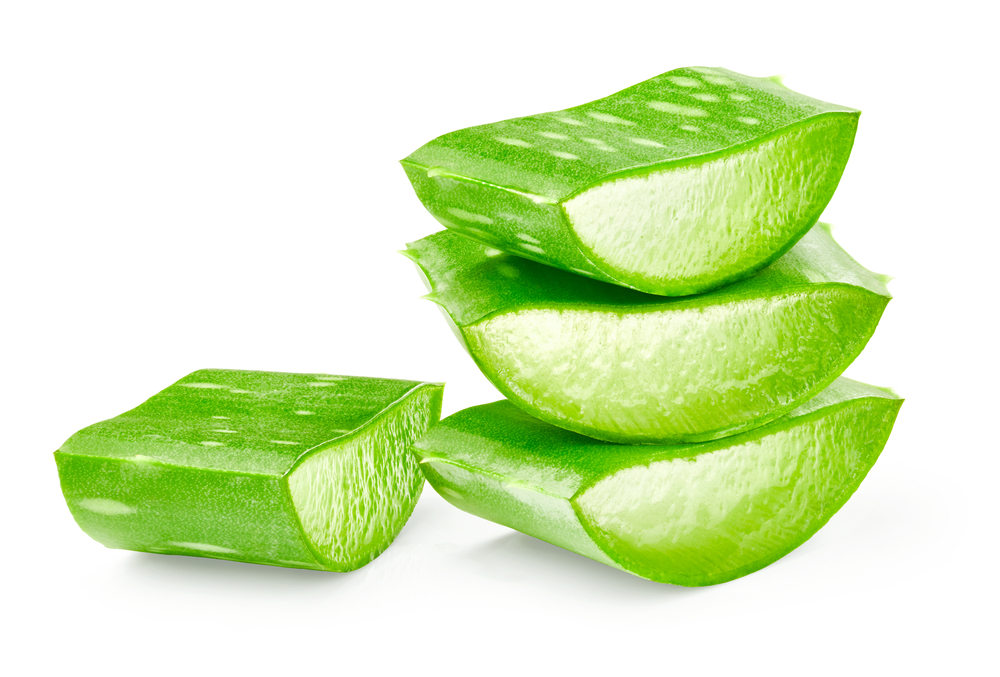
Aloe vera is good for so many ailments, most notably sunburn. But we’re here to tell you that it is fantastic for joint and knee pain as well. Aloe has an astonishing 75 active components, two of which (aloin and emodin) are actually natural pain relievers. It also contains plenty of anti-inflammatory compounds to get your blood flowing freely through those painful joints again.
Many people like to massage aloe gel into sore joints, but you can also take an aloe supplement by mouth. Capsules are an easy choice, but aloe vera juice is mild in flavor and mixes beautifully with smoothies. Just be sure to choose an aloe product that has been certified as pure by the International Aloe Science Council.
Note that people who take medication for diabetes, diuretics, or stimulant laxatives should speak with a doctor before starting an aloe vera regimen.
2. Eucalyptus

Eucalyptus is used in many topical treatments for pain because it is a natural analgesic. Eucalyptus leaves contain tannin, which reduces swelling and relieves pain related to inflammation. This is one herb we don’t suggest that you eat because the fresh leaves are toxic if consumed by humans. Eucalyptus oil, however, is great for rubbing on painful joints.
In fact, eucalyptus might help even if you simply smell it. The strong menthol odor is unmistakable, and studies have shown that simply sniffing the stuff can bring relief. If you’ve never applied eucalyptus before, test a small amount on your forearm before using it all over. Any rash or hives indicate an allergic reaction.
If you do want to try consuming eucalyptus, the only safe way is to get specially dried leaves and make them into tea.
3. Ginger
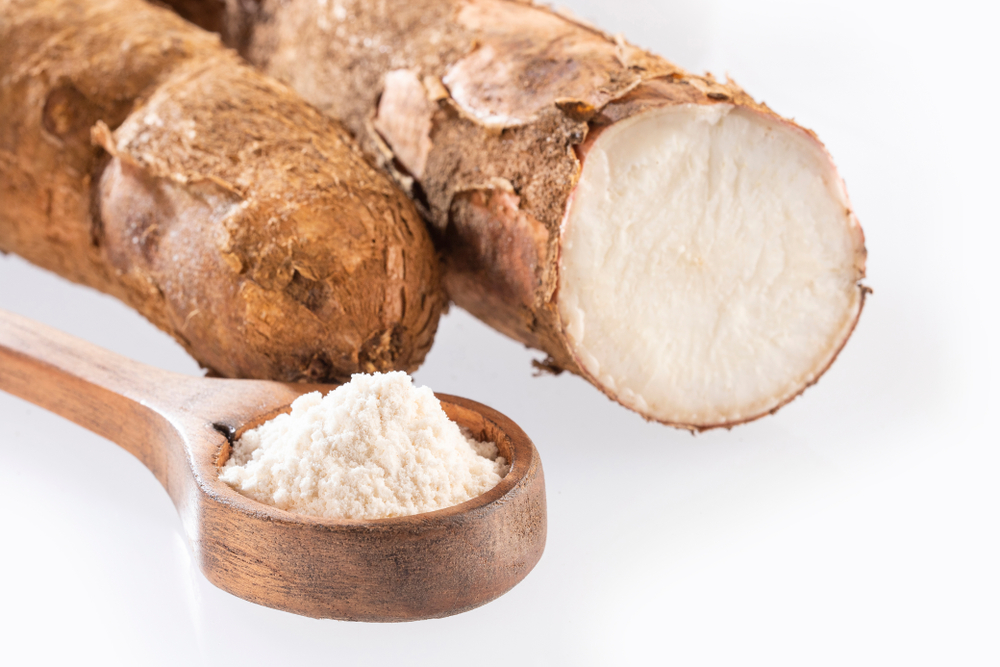
Ginger is a miracle spice that has been used in traditional Chinese medicine forever. Due to its active ingredient, gingerol, it helps with joint and knee pain by increasing blood circulation and reducing pain. Research on the benefits of ginger for patients with rheumatoid arthritis is quite exciting.
But that’s just the beginning. Scientific studies have found that ginger can also lower bad cholesterol, improve blood sugar levels, protect the heart from disease, reduce your risk of cancer, and boost brain function. And, it’s super easy to take because it tastes great. You can use it dried, powdered, fresh, or in oil form for cooking, or simply swallow a capsule if you prefer.
4. Green Tea

Green tea is a super healthy beverage that does great things all over your body, like accelerating fat burning and strengthening brain function. But for our purposes, you’ll be pleased to learn that green tea is a powerful anti-inflammatory that has been studied extensively in relation to osteoarthritis and rheumatoid arthritis.
Green tea is super easy to make from tea bags or loose leaves, and as a bonus you can also boost the effects by adding other pain relieving herbs to your brew. Both ginger and aloe make tasty complements to green tea. You may also want to experiment with adding green tea concentrate to other meals, or for the ultimate in convenience, take it in tablet or tincture form.
5. Turmeric

If you like curry, you are familiar with the distinctive taste of turmeric. Not only is this yellow spice quite tasty, but it has also been used in folk medicine for hundreds of years. Science is only beginning to catch up, but studies have determined that the active ingredient in turmeric is a compound called curcumin. Curcumin is a powerful anti-inflammatory with the potential to relieve joint and knee pain.
Research in rats has found that curcumin can actually slow the progression of rheumatoid arthritis. Even if that is not the cause of your pain, it can bring you relief simply by reducing inflammation. Turmeric is most effective when eaten, but that’s cool because it tastes so good. If you don’t care for the flavor or just don’t want to eat it every day, opt for a capsule.
6. Cinnamon

Cinnamon is another powerful spice that can improve your overall wellness. It contains several compounds associated with reducing existing inflammation and can also neutralize free radicals that tend to fuel that inflammation. This reduces your likelihood of cellular damage and chronic disease as a result.
Other reported benefits of cinnamon include lowered blood sugar in diabetics and protection against heart disease and cancer. It doesn’t take a lot to see benefits – just a sprinkle a day on toast or your latte can bring relief. You can also purchase cinnamon capsules, but talk to your doctor first if you take blood thinners or have liver disease.
7. Rosemary
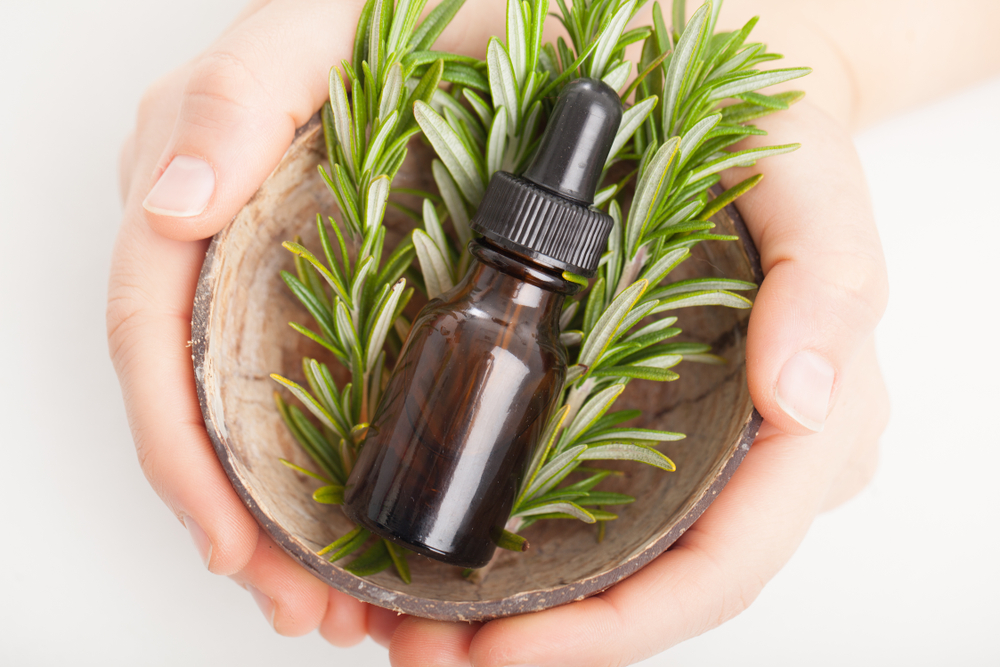
Rosemary (along with its pal sage) contains similar anti-inflammatory and antioxidant compounds. Both are great for relieving joint and knee pain. However, rosemary also has something called rosmarinic acid, which reduces inflammation as well as soothes skin afflictions, reduces stress, stimulates hair growth, and improves blood sugar. It may even suppress Alzheimer’s disease!
Rosemary has a sweet and slightly piney taste that goes wonderfully with roasted meats and veggies. If you want to cook with it, try dropping a few sprigs of fresh rosemary to your cooking oil for a couple of minutes before adding the rest of the food. Of course, dried rosemary is also delicious to sprinkle on food during the cooking process, and you can get a tincture, essential oil, or capsules for days when you don’t plan to cook with it.
Conclusion
Herbs are an excellent way to get the anti-inflammatory and antioxidant compounds you need to relieve joint and knee pain. It doesn’t take very much to see results and they taste great, too.
Herbal treatments also carry far fewer side effects than other medications. That’s not to say that certain herbs won’t interact with any medications you take, so be sure to talk to your doctor before beginning a new diet or herbal regimen.
