


5 Antioxidant Root Vegetables You Should Know About
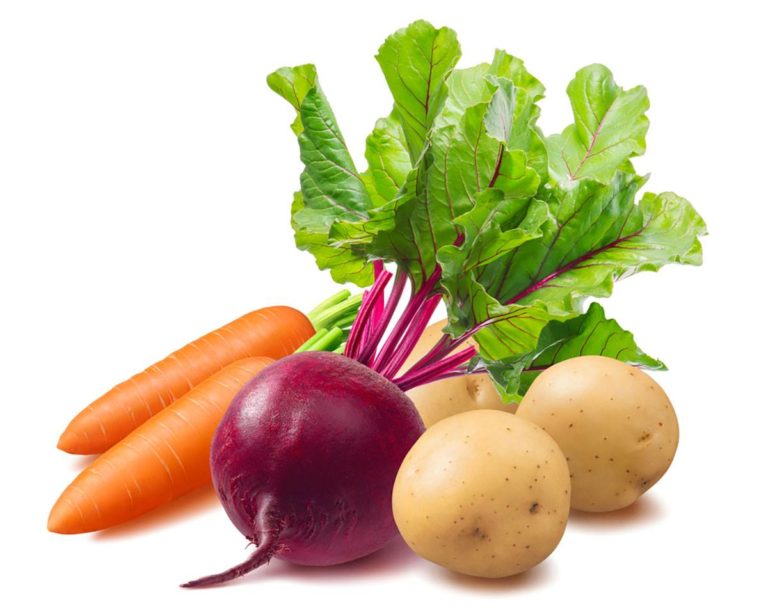
We typically think about fruits as being the antioxidant powerhouses, but root vegetables are actually really good in this regard, too. A root vegetable is simply one where we primarily eat the root portion of it. They tend to be high in nutrition because the root system absorbs a lot of good stuff directly from the soil.
Antioxidants are crucial because they help keep us healthy by bonding with free radicals in the body, which otherwise bounce around and cause cell damage. Free radicals are created as a byproduct of oxygen, but also by eating unhealthy food, smoking, or getting too much sun.
So without further ado, here are some of the very best root vegetables to add to your diet. To make the medicine go down a bit easier, we have also included some fun facts about each of these vegetables to entertain you.
1. Onions
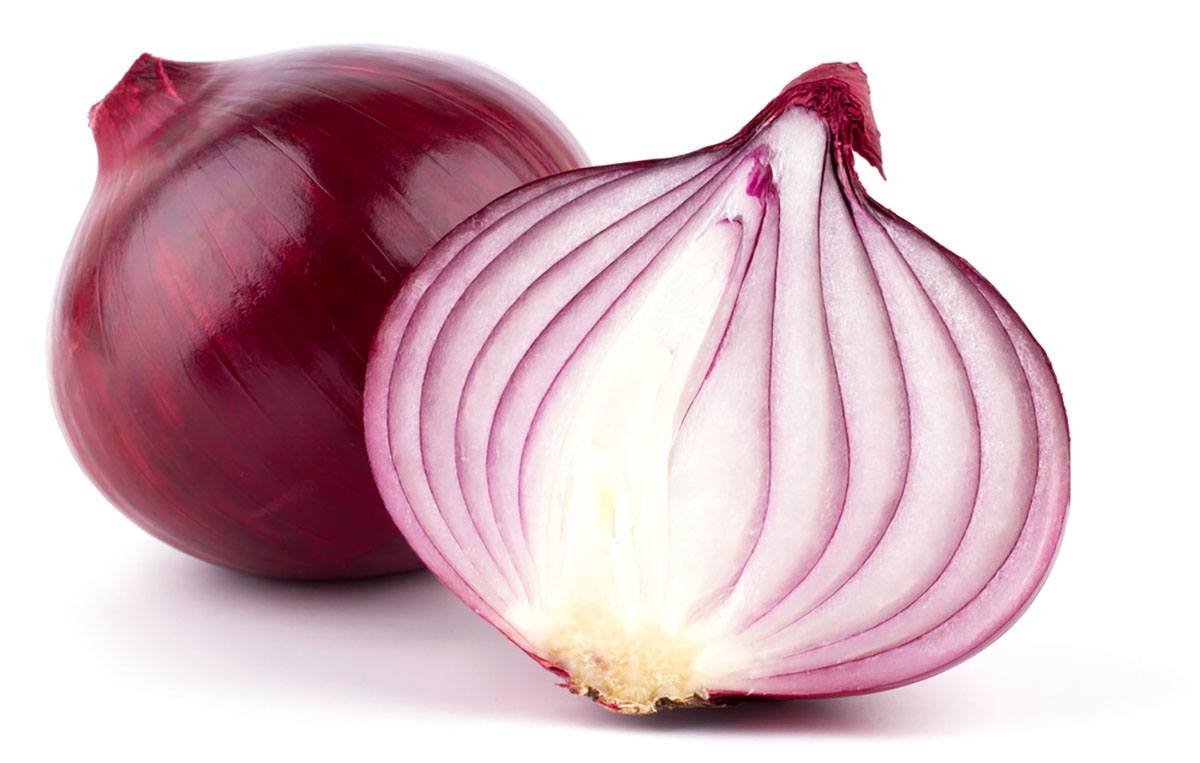
Onions are extremely popular, and people seem to either love them or hate them. But even those who swear they don’t like onions probably eat them more than they think, because onions are the base of many savory dishes.
In terms of nutrition, eating onions provides plenty of vitamin C, fiber, and of course, antioxidants. Onions may also help to reduce blood sugar levels and provide a measure of protection against cancer.
Fun fact: Did you know that the ancient Egyptians worshipped onions? Due to their concentric layers, onions were viewed as a symbol of eternal life and often buried with the dead.]
2. Beets

Beets are another popular root vegetable that inspire strong reactions in people. Their flavor certainly is powerful and distinct, often described as “earthy” – which makes sense given that it grows underground.
Beets are super nutritious with a good amount of fiber, folate, potassium, iron, and manganese. In terms of antioxidants, beets contain compounds called betalains, which reduce inflammation in the body. That translates into a lower risk of cancer, better heart health, and lower blood pressure.
Fun fact: Did you know that ancient Greeks used beets as medicine, but the ancient Romans considered them an aphrodisiac? We now know that beets absorb high amounts of boron, which is essential in the production of human sex hormones.
3. Radishes

Radishes are small and spicy, but they are packed with nutrition and a little goes a long way. Include some in salads, sandwiches, slaws, soups, and stir fries to get a boost of both flavor and nutrition.
Radish is a low carb food that offers a nice amount of vitamin C and fiber. But the list doesn’t stop there: radishes also pack a punch with vitamins E, A, C, B6, and K, plus zinc, potassium, phosphorous, magnesium, copper, calcium, iron, and manganese.
It also has anti-fungal properties and despite its spicy taste, has been shown in studies to protect against stomach ulcers.
Fun fact: The radishes we buy at the grocery store are generally pretty petite, but did you know that the largest radish ever recorded was 3 feet long and weighed 99 pounds?
4. Sweet Potatoes
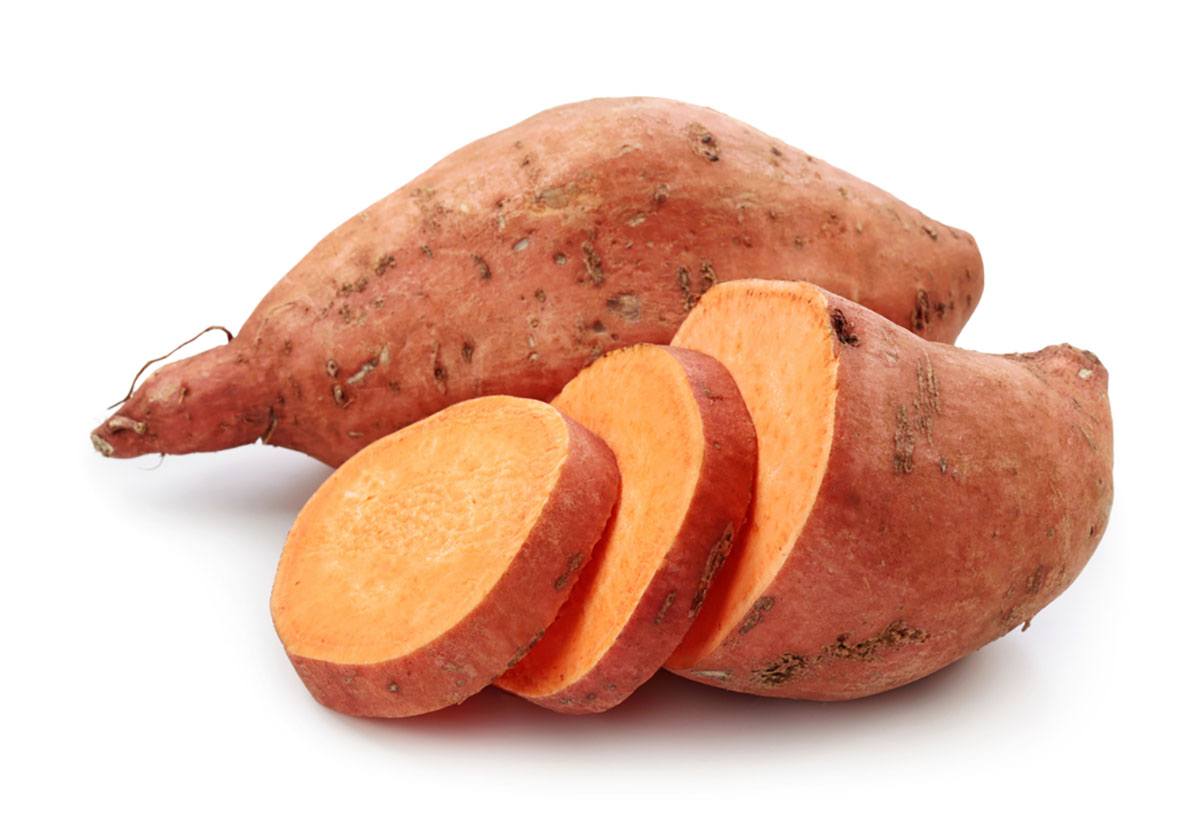
Sweet potatoes are a nice addition to many meals with a bit more pizzazz than regular white potatoes. They can be cooked just about any way you want. Sweet potatoes are not the same as yams, though, despite the common misconception.
These tasty tubers contain plenty of fiber, vitamins A and C, and manganese. They also have several different types of antioxidant, mainly beta-carotene (which give them their color), anthocyanins, and chlorogenic acid.
Eating plenty of sweet potatoes has been linked with a reduction in blood sugar, and the vitamin A content is thought to support clear vision and skin health.
Fun fact: Did you know that sweet potatoes get a lot of formal recognition? Not only is the sweet potato North Carolina’s state vegetable, February is National Sweet Potato Month.
5. Fennel
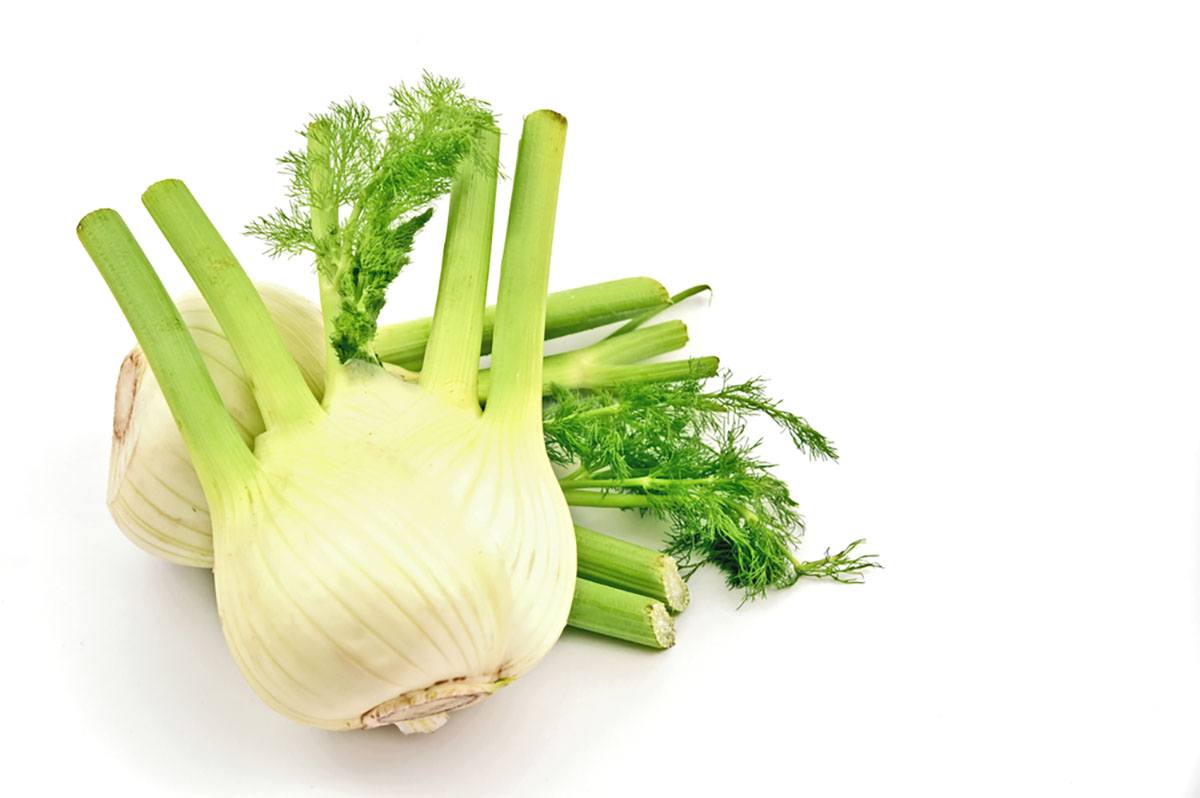
Fennel is a root vegetable that’s closely related to carrot. However, its flavor is quite distinct, leaning toward licorice. The reason for the unique taste is a compound called anethole, which imparts both the flavor and a host of health benefits.
Eat fennel to get your vitamin C, manganese, phosphorus, and potassium plus a good amount of fiber. And not only does fennel have plenty of antioxidants, it also has antimicrobial properties that can inhibit bacterial growth. Certain studies have linked fennel to a reduction in blood sugar as well.
Fun fact: Did you know that ancient Greek societies considered fennel a godly food that imparts godly wisdom through its stalks? Whether or not you’ll gain wisdom, you can eat the flowers, leaves, seeds, and bulbs of the fennel plant.
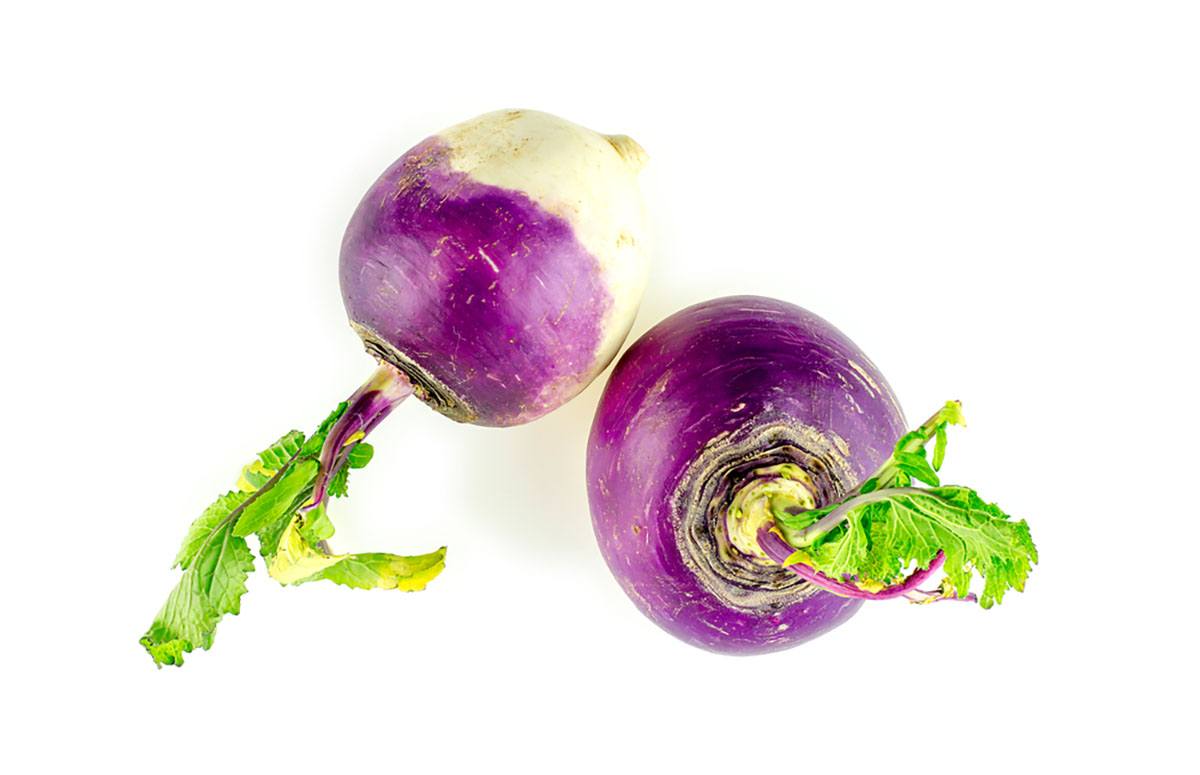
These are just a few of the many root vegetables available to boost your antioxidant intake. Other great choices include turnips, carrots, white potatoes, and rutabagas. And for each root vegetable, rest assured that there was an ancient society that revered it. In a way, today’s widespread use of root vegetables is thanks to those ancestors who wrote about and honored these foods through their art.
